
Summary
Ren Zhiqiang is a former property tycoon whose Weibo accounts once had more than 30 million followers. Al Jazeera reported that he went missing in mid-March 2020 after an online essay criticising the leadership's handling of the COVID-19 outbreak. Radio Free Asia reported that the Beijing No. 2 Intermediate People's Court sentenced him to 18 years on corruption, bribery, embezzlement and abuse-of-power charges, as announced on 22 September 2020.
Timeline
Sentenced to 18 years
Radio Free Asia
China Jails Xi Jinping Critic Ren Zhiqiang For 18 Years
Open original source (opens in a new tab)Went missing after an essay on the COVID-19 response
Al Jazeera reported that friends said Ren Zhiqiang had been missing since mid-March 2020 and linked his disappearance to an online essay that criticised the leadership's handling of the virus outbreak.
Al Jazeera
China critic who indirectly called Xi a 'clown' investigated
Open original source (opens in a new tab)
Sources
This page consolidates publicly available external sources. Links open the original publication.
External source
Radio Free Asia
China Jails Xi Jinping Critic Ren Zhiqiang For 18 Years
Open original source (opens in a new tab)External source
Wikipedia
Ren Zhiqiang
Open original source (opens in a new tab)External source
Al Jazeera
China critic who indirectly called Xi a 'clown' investigated
Open original source (opens in a new tab)People named in the same record
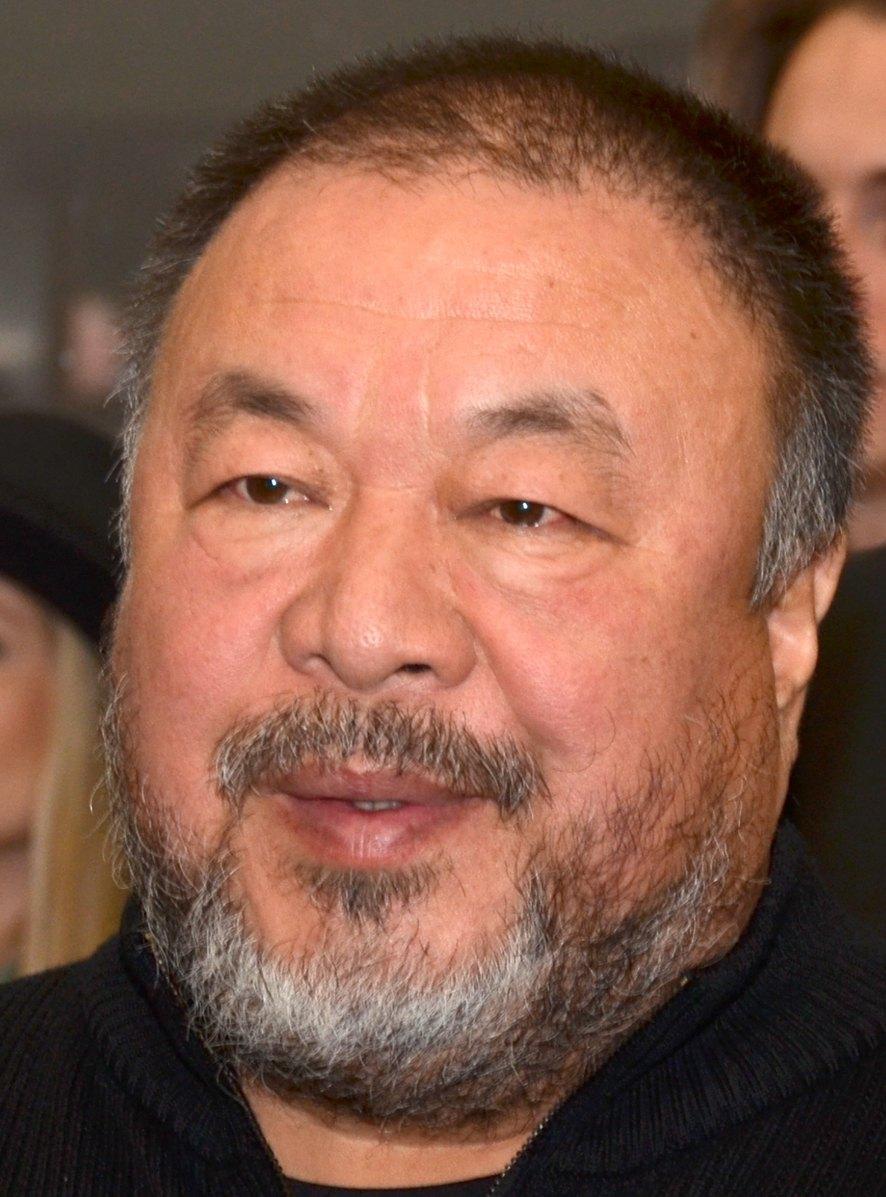
Ai Weiwei艾未未
Artist · Mainland ChinaCHR-381769
Ai Weiwei is an artist who investigated the collapse of schools in the 2008 Sichuan earthquake and criticized the government. In April 2011 he was arrested at Beijing Capital Airport for what the authorities called economic crimes and held for 81 days without charge.
A travel ban continued until his passport was returned ·
Cai Wei蔡偉
Right to information defender · Mainland ChinaCHR-825140
Cai Wei volunteered in Beijing for Terminus2049. Front Line Defenders says he went missing on 19 April 2020 with Chen Mei and his partner, a woman surnamed Tang, and was held under residential surveillance. He was formally arrested on 12 June 2020, tried on 11 May 2021, sentenced on 13 August 2021 to one year and three months for picking quarrels and provoking trouble, and released on 15 August 2021.
· Front Line Defenders
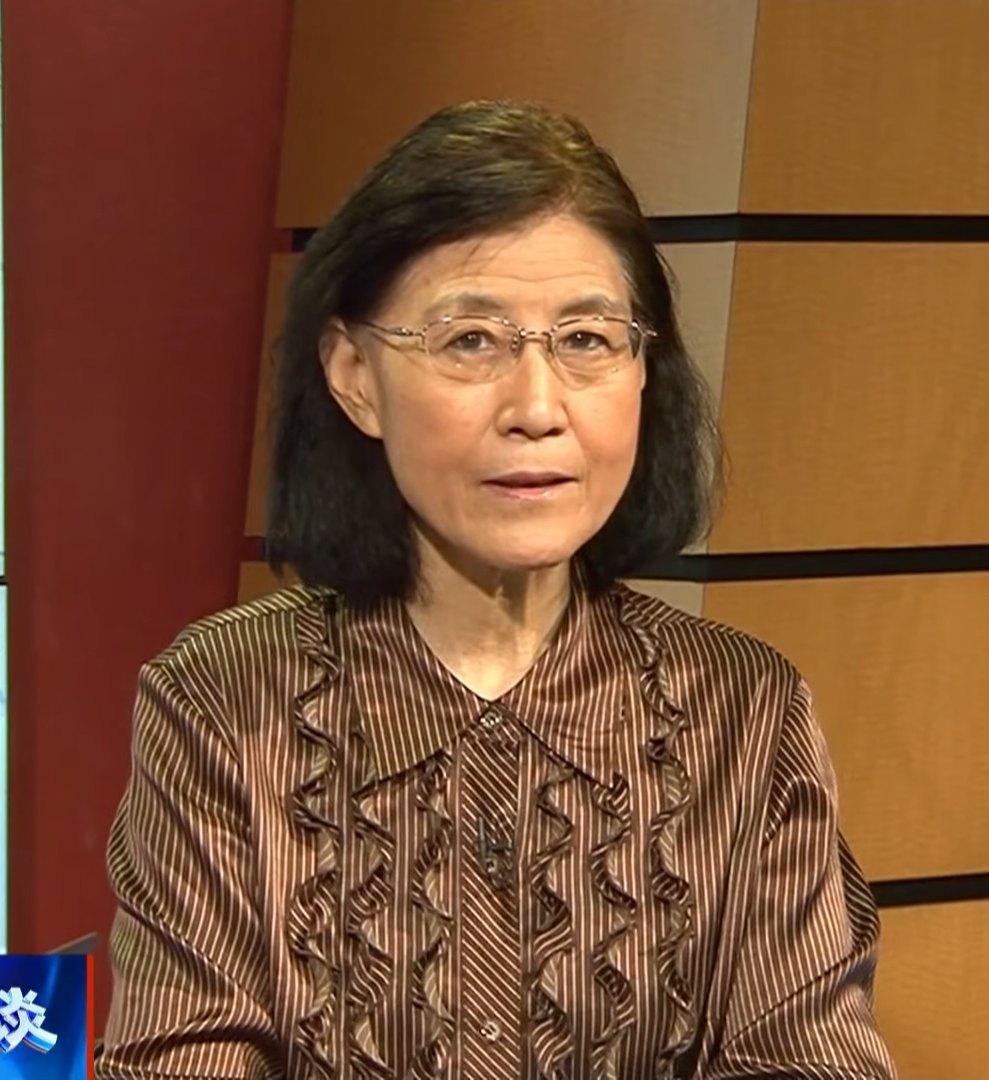
Cai Xia蔡霞
Scholar · Mainland ChinaCHR-183657
Cai Xia taught at the Central Party School in Beijing for 15 years, until 2012. In a talk she called the Communist Party "a political zombie" and said Xi Jinping "bears a great deal of culpability" for its problems. The Central Party School announced in August 2020 that she had been expelled from the Party. The New York Times reported that she has lived in the United States since 2019.
Last documented · The New York Times (via SBS)
Events on the same issues
Persecution
Mainland internet users penalized for bypassing the Great Firewall and posting on foreign platforms in 2019–2020
Bitter Winter reported that mainland Chinese internet users are punished for browsing foreign websites or using foreign social media, and that posting criticism of the government on foreign platforms can bring prison sentences. On 19 May 2020 the Ankang Public Security Bureau in Shaanxi announced that a man surnamed Yang was warned and fined 500 yuan for using "wall-climbing" software; after internet users asked why officials such as Global Times editor Hu Xijin were not punished, the notice was deleted. In February two men in Henan were detained for browsing foreign websites; one told Bitter Winter he was fined 500 yuan and wrote a repentance letter. Citing court judgments, Bitter Winter reports that in November 2019 a court in Zhongshan, Guangdong, sentenced Wang Beiyuan to one year for "defamation", finding that some of the more than 2,000 tweets he posted were harmful.
Persecution
Human Rights Watch researcher: China's "Great Firewall" is changing a generation
In an essay published by Human Rights Watch, senior China researcher Yaqiu Wang writes that the online attacks in 2020 on the writer Fang Fang, after the English edition of her Wuhan Diary appeared, reflect a change under Xi Jinping among young people who once had relatively open online discussion. In her account, the Great Firewall has existed since 2000, when the Ministry of Public Security launched the "Golden Shield" project, and after the Party's Document No. 9 of November 2013 a harsh crackdown on the internet, media, civil society and education closed off almost all effective channels to views different from the official line. Some people have gone to prison for selling VPNs and others have been fined for using them; she writes that the generation that went to university after Xi took power defends the Great Firewall.
Persecution
Mainland authorities question relatives of Hong Kong students and penalize posts and travel linked to the Hong Kong protests
Bitter Winter reported that mainland authorities were investigating people with connections to Hong Kong after the 2019 protests. In November 2019 a woman in Inner Mongolia whose son was studying in Hong Kong was repeatedly questioned by police about his views on the anti-extradition movement and made to sign a pledge that he would not take part in protests; police warned that his remarks would leave a "lifelong stain" and affect relatives on the mainland. A Jining, Shandong, resident said officials visited in November 2019 to ask about a son working in Hong Kong and said all Shandong natives there were being counted. A Henan woman was investigated by police over an article she had forwarded three months earlier, and a friend who had sent it to her was detained for a week. A Jiangxi self-employed man said he and a friend were detained for 12 and 10 days for forwarding Hong Kong posts.
Reports that name this person
Source record · Freedom House
China: Freedom in the World 2021 Country Report
Freedom House's Freedom in the World 2021 country report on China covers events in 2020. It gives China a total score of 9 out of 100 (down from 10 the year before), with Political Rights at -2 out of 40 and Civil Liberties at 11 out of 60, and the status Not Free. The regime has become increasingly repressive, the CCP is tightening control over the state bureaucracy, media, religion, universities and civil society, and COVID-19 was used to speed up surveillance.
Source record · Human Rights Watch
World Report 2021: China
Human Rights Watch's China chapter of World Report 2021 covers events of 2020. The report finds that the Chinese government's authoritarianism was on full display as it handled the Covid-19 outbreak, Beijing imposed the National Security Law on Hong Kong on 30 June, and Turkic Muslims in Xinjiang continued to face arbitrary detention, forced labor and mass surveillance, controls on Tibet, religion, the internet and rights defenders tightened, and international concern grew.
Source record · Human Rights Watch
World Report 2022: China
Human Rights Watch's China chapter of World Report 2022 covers events of 2021. The report finds that under Xi Jinping the Chinese government doubled down on repression inside and outside the country, using its zero-tolerance Covid-19 policy to strengthen its hand, and authorities devastated rights in Hong Kong. The report adds that the government is committing crimes against humanity against Uyghurs and other Turkic Muslims, Tibetans face grave abuses, and space for women's and LGBT rights shrank.