Overview

Human Rights Watch states that Chinese authorities systematically deny the rights to freedom of expression, association, assembly and religion, and persecute government critics. The Chinese government controls all major channels of information and uses the Party-controlled legal system to punish, forcibly disappear and imprison critics. Freedom House scores China 9 out of 100 in Freedom in the World 2026 and rates it Not Free; the score excludes Hong Kong and Tibet. Freedom House reports that people in China continue to be charged and imprisoned for critical or satirical social media posts on a variety of subjects, including real or perceived criticism of Xi Jinping or the Chinese Communist Party.

The Criminal Law, revised on 14 March 1997, places inciting the splitting of the State and inciting the subversion of State power in its chapter on crimes of endangering national security; both carry up to five years’ imprisonment, and five years or more for ringleaders and those who commit major crimes. Freedom House states that the CCP continues to tighten control over the media, online speech, religious practice, universities, businesses and civil society associations, and that civil society has been largely decimated following a multiyear crackdown on political dissent, independent NGOs and human rights defenders. Human Rights Watch marked 9 July 2025 as the tenth anniversary of the “709 crackdown” on human rights lawyers. In April 2023 a court in Shandong sentenced the legal scholar Xu Zhiyong to 14 years for “subversion of state power”.

The Congressional-Executive Commission on China states that its Political Prisoner Database held 11,262 records of political and religious prisoners in China at the time of its 2025 annual report, of which 2,755 were “active detentions”: individuals known or believed to be currently detained, imprisoned or under coercive controls. Freedom on the Net 2024 cites an online database kept by an activist posting as @SpeechFreedomCN, which has tracked more than 2,500 criminal prosecutions for free expression between 2013 and 2024, most of them for online comments. In Hong Kong, official figures cited by Human Rights Watch show that authorities have arrested at least 365 people and convicted 174 for allegedly violating national security laws since 2020.

Human Rights Watch reports that Hong Kong authorities frequently invoked the 2020 National Security Law and the 2024 Safeguarding National Security Ordinance in 2025 to criminalize peaceful expression. Amnesty International found that 16 people were arrested for sedition in the ordinance’s first year, and that three people convicted received 10 to 14 months for wearing a protest-slogan T-shirt, criticizing the government online and writing slogans on bus seats. Freedom on the Net 2024 records that Kamile Wayit, a Uyghur student, was sentenced to three years in March 2023 after posting videos of the White Paper protests on WeChat. Human Rights Watch reports that Hong Kong police have issued arrest warrants against 38 activists based abroad.

Key laws and methods

Inciting subversion of State power

Article 105 of the Criminal Law punishes anyone who incites others, by spreading rumors or slanders or any other means, to subvert State power or overthrow the socialist system, with up to five years’ imprisonment, and five years or more for ringleaders and those who commit major crimes.

Inciting the splitting of the State

Article 103 punishes anyone who incites others to split the State or undermine unity of the country with up to five years’ imprisonment, and five years or more for ringleaders and those who commit major crimes.

Picking quarrels and provoking trouble

Article 293 lists four acts of disrupting social order, including “making trouble in a public place” that causes serious disorder there, punishable by up to five years’ imprisonment, criminal detention or control; assembling others to do so many times carries five to ten years.

Criminal defamation

Article 246 punishes publicly humiliating another person or inventing stories to defame them, where the circumstances are serious, with up to three years’ imprisonment. It is handled only upon complaint, except where serious harm is done to public order or to the interests of the State.

Residential surveillance at a designated location

Article 75 of the Criminal Procedure Law establishes this measure, under which the police and the Ministry of State Security have full discretion to hold a person for up to six months, before formal arrest, outside normal detention facilities and without access to legal counsel or contact with family, according to Safeguard Defenders.

Infringing the reputation and honor of heroes and martyrs

A March 2021 amendment to the Criminal Law stipulates that those who “insult, slander, or infringe the reputation and honor of heroes and martyrs” can be imprisoned for up to three years, according to Freedom House.

Hong Kong National Security Law

The law creates offences of secession (articles 20 to 21), subversion (22 to 23), terrorist activities (24 to 28) and collusion with a foreign country or with external elements to endanger national security (29 to 30). Articles 20, 22, 24 and 29 provide for life imprisonment in the most serious cases; articles 21 and 23, on inciting, assisting, abetting or financing secession and subversion, carry a maximum of ten years’ imprisonment.

Safeguarding National Security Ordinance

The ordinance took effect on 23 March 2024. Amnesty International reports that it extended the presumption against bail from the National Security Law to its offences and allows prison authorities to waive early release where it would be “contrary to the interests of national security”.

Key milestones

  1. “Bridge Man” Peng Lifa sentenced to nine years

    According to Human Rights Watch, a court sentenced Peng Lifa to nine years in prison for hanging pro-democracy banners on a Beijing bridge in 2022.

  2. Filmmaker Chen Pinlin sentenced over White Paper protest film

    Chen Pinlin is convicted of “picking quarrels and provoking trouble” in January 2025 and sentenced to three and a half years for making a film about the 2022 White Paper protests.

  3. Judicial guideline on “Taiwan independence diehards”

    China’s top judicial, prosecutorial and public security authorities jointly issue a guideline under which actions such as “tampering with the fact that Taiwan is a part of China” may be treated as the crime of secession, with penalties of up to death.

  4. Safeguarding National Security Ordinance takes effect

    Hong Kong’s Safeguarding National Security Ordinance, known as Article 23, takes effect.

  5. Xu Zhiyong sentenced to 14 years for subversion

    A court in Shandong Province sentences the legal scholar Xu Zhiyong to 14 years in prison for “subversion of state power”.

  6. Heroes and martyrs offence added to the Criminal Law

    A March 2021 amendment provides up to three years’ imprisonment for those who insult, slander or otherwise infringe the reputation and honor of heroes and martyrs.

  7. Hong Kong National Security Law takes effect

    The Standing Committee of the National People’s Congress passes the 66-article law and lists it in Annex III to the Basic Law; it is gazetted and takes effect at 11 pm the same day.

    Hong Kong Special Administrative Region Government

    The Law of the People's Republic of China on Safeguarding National Security in the Hong Kong Special Administrative Region gazetted and takes immediate effect (with photos)

    Open original source (opens in a new tab)
  8. “709 crackdown” on human rights lawyers begins

    Human Rights Watch reports that in July 2015 Chinese police rounded up and interrogated about 300 lawyers, legal assistants and activists across the country; the roundup became known as the “709 crackdown” for its July 9 date.

  9. Criminal Law revised

    The Eighth National People’s Congress revises the Criminal Law on 14 March 1997. The revised text contains Articles 103 and 105 on inciting the splitting of the State and the subversion of State power.

Sources

External source

Hong Kong Special Administrative Region Government

The Law of the People's Republic of China on Safeguarding National Security in the Hong Kong Special Administrative Region gazetted and takes immediate effect (with photos)

Open original source (opens in a new tab)

External source

Hong Kong e-Legislation, Department of Justice

Law of the People’s Republic of China on Safeguarding National Security in the Hong Kong Special Administrative Region

Open original source (opens in a new tab)
Persecution

Persecution

Hong Kong Alliance dismantled and annual 4 June vigil ended: from vigil bans to the 2026 sentencing of its leaders

According to Amnesty International, the Hong Kong Alliance in Support of Patriotic Democratic Movements of China held a vigil in Victoria Park on 4 June every year from 1990; the vigil was banned on Covid-19 grounds in 2020 and 2021. In August 2021 the police national security unit sent the Alliance a letter accusing it of "collusion with foreign forces" and asking for details of its membership and finances; the Alliance voted to disband on 25 September 2021, and Lee Cheuk-yan, Chow Hang-tung and Albert Ho were charged with inciting subversion under the National Security Law. Human Rights Watch reported that the High Court convicted Chow and Lee on 21 August 2026, Ho having pleaded guilty in January. On 11 September 2026 Chow was sentenced to seven years and three months, Lee to seven years and Ho to five years and two months, and the Alliance was fined HK$1.5 million.

Persecution

Hong Kong police raid two independent bookstores and arrest five on suspected sedition offences

According to the Committee to Protect Journalists, Hong Kong police said that on 15 July 2026 the National Security Department arrested two men and three women after raiding two bookstores in Mong Kok, on suspicion of violating the Safeguarding National Security Ordinance by displaying items with "seditious intent" and selling publications with "seditious content". Those held included Sum Wan-wah and Mandy Lau, co-founders of the Have a Nice Stay bookstore, and books were seized. Amnesty International said the raids hit Have a Nice Stay and Greenfield Bookstore, one day after Have a Nice Stay announced it would close citing financial difficulties and "unclear red lines", and that two other bookstores had been raided earlier in 2026.

Persecution

Kazakhstan court convicts 19 activists over protest against abuses in Xinjiang; HRW and Amnesty cite Chinese consulate's role

On 13 April 2026 a court in Taldykorgan, Kazakhstan, convicted 19 activists linked to the Atajurt movement over a peaceful protest held in November 2025, according to Human Rights Watch and Amnesty International. Eleven received five-year prison sentences for "inciting interethnic or social discord", and eight received non-custodial "restrictions of freedom". Protesters condemned Chinese government abuses in Xinjiang and called for the release of Kazakh citizen Alimnur Turganbay, held in China since July 2025. HRW said the Chinese consulate in Almaty urged Kazakh authorities the day after the protest to "take appropriate measures", and local authorities then opened a criminal investigation. Amnesty said that following the consulate's diplomatic complaint, Kazakh authorities escalated initial administrative charges to criminal prosecution.

Persecution

PEN America and SMHRIC report removal of Mongolian-language content from Chinese online platforms

According to The Diplomat, a report released in January 2026 by PEN America and the Southern Mongolian Human Rights Information Center documented the systematic removal of Mongolian-language content from Chinese online platforms, including social media groups shut down, accounts deleted and informal digital communities dismantled. In an article published on 3 June 2026, The Diplomat wrote that the report suggests Beijing is now targeting the digital communities that were Mongolian speakers' last refuge. It placed the findings in a sequence of measures in Inner Mongolia: in 2020 Chinese authorities replaced Mongolian with Mandarin as the language of instruction for core school subjects, triggering the largest public protests in the region in decades, and by 2023 regional authorities had ordered schools to complete the switch to Mandarin-only instruction.

Persecution

UN experts: criminalisation of Uyghur cultural expression; scholar Rahile Dawut remains disappeared

On 1 October 2025, UN experts said in a statement published by OHCHR that they were seriously concerned about the increasing criminalisation of Uyghur and other minority cultural expression in China. They cited Yaxia'er Xiaohelaiti, a 26-year-old Uyghur songwriter performing as Uigga, who was sentenced to three years in prison in 2024 for "promoting extremism" and "possessing extremist materials". They also cited ethnographer Rahile Dawut, who was forcibly disappeared in 2017 and, according to reports, was secretly tried and sentenced to life imprisonment for alleged separatism, with her fate and whereabouts unacknowledged by authorities. The experts criticised the 2015 Counter-Terrorism Law and the Xinjiang De-extremification Regulation as expansive and ambiguous, and said they were in contact with the Chinese authorities.

Persecution

Hong Kong announces arrest warrants and rewards for 19 overseas activists, then bans financial support for 16

According to Al Jazeera, in late July 2025 Hong Kong authorities offered rewards of between HK$200,000 and HK$1 million for information leading to the arrest of overseas pro-democracy activists, and on 26 July national security police formally announced arrest warrants for 19 activists based overseas. The activists are accused of launching a referendum or running as candidates in the unofficial "Hong Kong Parliament" group, which police allege sought to overthrow the governments of China and Hong Kong by unlawful means. The US and UK condemned the move; the UK foreign and home secretaries called it "another example of transnational repression". According to the AP, on 4 August 2025 Hong Kong's security secretary banned the provision of funds to 16 of the 19, and travel documents of 12 who held Hong Kong passports were cancelled.

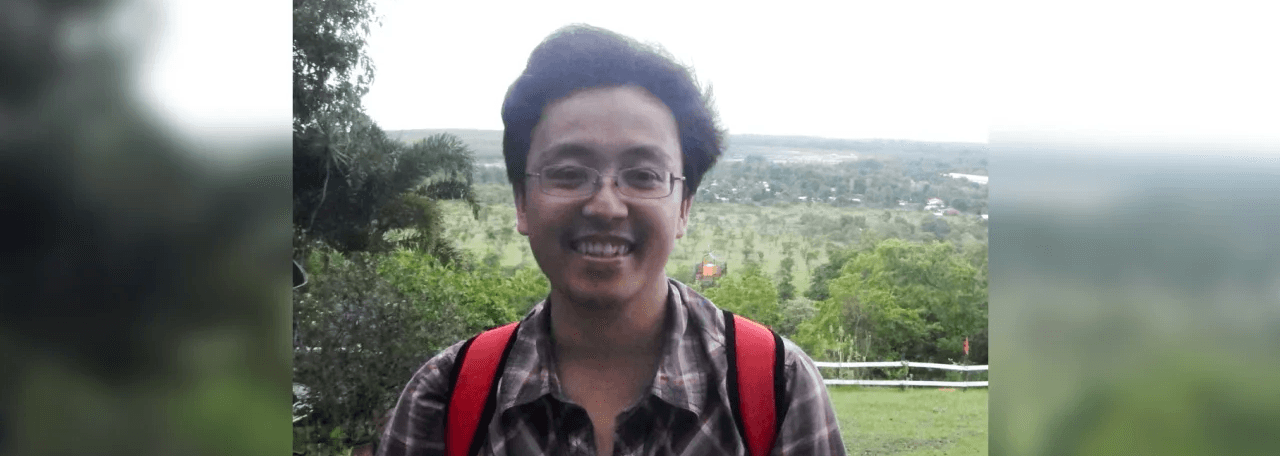
Ruan Xiaohuan阮曉寰

Blogger · Mainland ChinaCHR-478625

Ruan Xiaohuan is the author of ProgramThink, an anonymous blog he kept from 2009 on how to circumvent China's internet controls and on politics. Police took him from his Shanghai home on 10 May 2021 and held him at the Yangpu District Detention Center, without access to his family or a lawyer, until the verdict. On 10 February 2023 the Shanghai No. 2 Intermediate People's Court sentenced him to seven years for inciting subversion of state power, and the Shanghai High People's Court upheld that sentence on 13 December 2024. His wife visited him at Tilanqiao Prison on 22 August 2025.

Last reported serving sentence

· Dui Hua Foundation

Wang Yi王怡

Pastor and former human rights lawyer · Mainland ChinaCHR-571284

Wang Yi, a former human rights lawyer, is the founding pastor of Early Rain Covenant Church in Chengdu. In December 2018, Chengdu police detained him and many congregants. On 30 December 2019 the Chengdu Intermediate People's Court sentenced him to nine years in prison. On 9 October 2026, CSW said he is due to be released in 2027 and reported concerns about his medical care.

Last reported serving sentence

· CSW

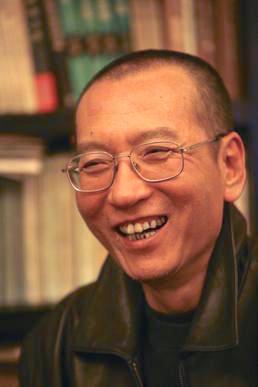
Liu Xiaobo劉曉波

Writer and Nobel Peace Prize laureate · Mainland ChinaCHR-331904

Liu Xiaobo, a writer, former Beijing Normal University lecturer, former president of the Independent Chinese PEN Center and co-author of Charter 08, was sentenced in December 2009 to 11 years for inciting subversion. He died in custody of liver cancer on 13 July 2017, aged 61. His wife, Liu Xia, was kept under house arrest without explanation.

Died in custody

· BBC Chinese

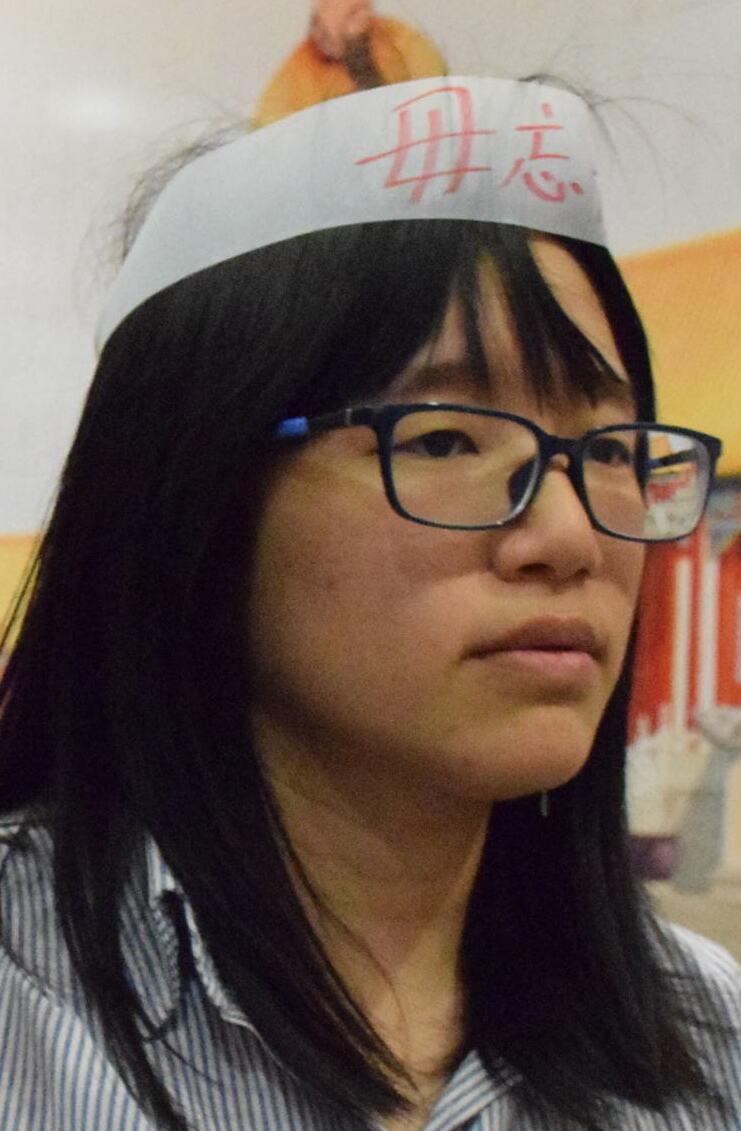
Chow Hang-tung鄒幸彤

Lawyer and former leader of the Hong Kong Alliance · Hong KongCHR-803874

Chow Hang-tung is a lawyer and a former leader of the Hong Kong Alliance in Support of Patriotic Democratic Movements of China, which organized the city's annual vigil for victims of the 1989 Tiananmen crackdown. She has been detained since September 2021 and represented herself at trial. On 21 August 2026 the High Court convicted her of inciting subversion under the National Security Law. On 11 September 2026 the court sentenced her to seven years and three months in prison.

Last reported serving sentence

· Front Line Defenders

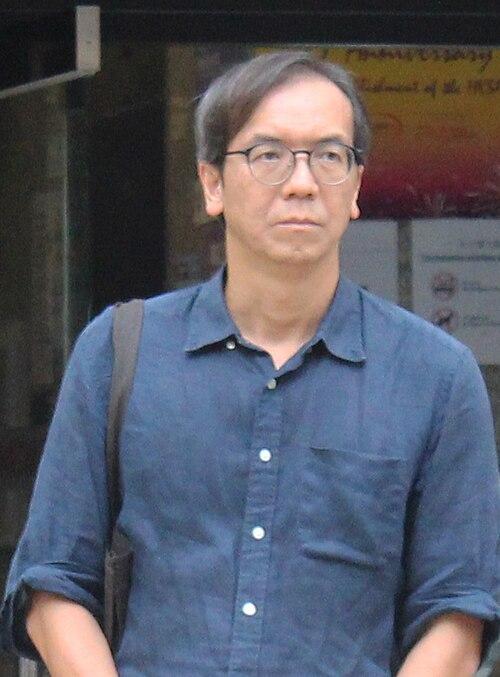
Chung Pui-kuen鍾沛權

Journalist and former editor-in-chief of Stand News · Hong KongCHR-795198

Chung Pui-kuen was chief editor of Stand News, a digital outlet that shut down after a national-security raid in December 2021. On 26 September 2024 a court sentenced him to 21 months for conspiring to publish seditious publications, based on 17 articles. Amnesty International said time already spent in pre-trial detention meant he would return to prison, unlike his co-defendant. He was released on 10 July 2025.

Released

· Hong Kong Watch

Reports

Source record · Reporters Without Borders (RSF)

Reporters Without Borders: 2026 World Press Freedom Index - China

RSF's China page in the 2026 World Press Freedom Index ranks China 178th of 180 countries with a score of 13.85, against 178th and 14.80 in 2025. It calls China the world's largest prison for journalists, with more than 100 currently detained, and says its regime conducts a campaign of repression against journalism and the right to information worldwide. The page says major media groups are state-owned, the Party's Propaganda Department sends all media daily editorial guidelines and censored topics, and journalists are accused of "espionage", "subversion" or "picking quarrels and provoking trouble".

View record

Source record · Amnesty International

The State of the World's Human Rights: April 2026 - China

Amnesty International's China entry in The State of the World's Human Rights (April 2026), covering 2025, says authorities intensified control over information and public discourse and continued to suppress dissent and peaceful assembly. Religious participants were persecuted, defenders, writers and artists were detained and prosecuted under vague national security provisions, Uyghurs and Tibetans were strictly controlled, and Jimmy Lai was convicted in Hong Kong on 15 December.

View record

Source record · Freedom House

China: Freedom in the World 2026 Country Report

Freedom House's Freedom in the World 2026 country report on China covers 2025. It rates China Not Free with a total score of 9 out of 100 (Political Rights -2 of 40, Civil Liberties 11 of 60). The CCP oversees a repressive authoritarian regime and civil society has been devastated by a multiyear crackdown. Key 2025 developments include the expulsion of General He Weidong and eight other generals from the CCP and the PLA in October, large Sichuan protests in August and a national digital ID system in July.

View record

Source record · Human Rights Watch

World Report 2026: China

Human Rights Watch's World Report 2026 chapter on China, covering events of 2025, says Chinese authorities systematically deny freedom of expression, association, assembly and religion and persecute government critics. It reports tightened Party ideological control, forced assimilation of Tibetans and Uyghurs, a repressive national security regime in Hong Kong, and no accountability for crimes against humanity in Xinjiang, where several hundred thousand Uyghurs remain unjustly imprisoned.

View record

Source record · Congressional-Executive Commission on China (CECC)

Congressional-Executive Commission on China: 2025 Annual Report

The Congressional-Executive Commission on China's 2025 Annual Report covers 1 July 2024 to 30 June 2025 under the theme "promises made, promises broken": the gap between the PRC's treaty and legal commitments and its practice. Its 17 chapters document restrictions on expression and religion, arbitrary detention, Xinjiang, Tibet, Hong Kong and transnational repression. Its Political Prisoner Database held 11,262 records on 30 June 2025, 2,755 of them active detentions.

View record

Source record · Freedom House

China: Freedom on the Net 2025 Country Report

Freedom House's Freedom on the Net 2025 country report on China covers 1 June 2024 to 31 May 2025. It scores China 9 out of 100 (Obstacles to Access 7 of 25, Limits on Content 2 of 35, Violations of User Rights 0 of 40) and rates it Not Free. The report finds that Chinese internet users have faced the world's worst conditions for internet freedom for over a decade, with severe legal and extralegal repercussions for online activity. It is an abridged edition.

View record

Source record · U.S. Department of State

U.S. Department of State: 2024 Country Reports on Human Rights Practices - China (Includes Hong Kong, Macau, and Tibet)

The 2024 U.S. Department of State Country Reports on Human Rights Practices, China (including Hong Kong, Macau and Tibet), says genocide and crimes against humanity occurred during the year against Uyghurs and other predominantly Muslim groups in Xinjiang. It lists arbitrary detention, disappearances, torture, transnational repression and restrictions on expression, religion and workers' freedom of association, and says the Hong Kong situation deteriorated and Tibet saw no significant change.

View record

Source record · U.S. Commission on International Religious Freedom (USCIRF)

USCIRF 2025 Annual Report - China

The USCIRF 2025 Annual Report, covering 2024, says religious freedom conditions in China remained among the worst in the world and recommends that the State Department redesignate it a "country of particular concern". It says Xi Jinping continued to lead the "sinicization of religion", that Uyghur Muslims continued to be imprisoned for religious activities, that Tibetan Buddhists and underground Catholic clergy were restricted or detained, and that pastor Kan Xiaoyong was sentenced to 14 years.

View record

Source record · Freedom House

China: Freedom in the World 2025 Country Report

Freedom House's Freedom in the World 2025 country report on China covers 2024. It rates China Not Free with a total score of 9 out of 100 (Political Rights -2 of 40, Civil Liberties 11 of 60). China is ruled by a repressive regime, Xi Jinping has consolidated personal power to a degree not seen in decades, and civil society has been largely decimated. The report lists new Xinjiang religious regulations, an amended state secrets law and the Zhuhai attack that killed 35 people.

View record

Source record · Human Rights Watch

World Report 2025: China

Human Rights Watch's World Report 2025 chapter on China, covering events of 2024, says that more than a decade into Xi Jinping's rule, efforts to centralize control have heightened repression throughout the country. It reports no independent civil society and no freedom of expression, association, assembly or religion, particularly harsh repression of Tibetans and Uyghurs, hundreds of thousands of Uyghurs still imprisoned, and the end of long-protected civil liberties in Hong Kong.

View record

Source record · Freedom House

China: Freedom in the World 2024 Country Report

Freedom House's Freedom in the World 2024 country report on China covers 2023. It rates China Not Free with a total score of 9 out of 100 (Political Rights -2 of 40, Civil Liberties 11 of 60). The Chinese Communist Party maintains tight control over all aspects of life and governance, Xi Jinping has consolidated personal power to a degree not seen in decades, and civil society has been largely decimated. Hong Kong and Tibet are assessed separately.

View record

Source record · Human Rights Watch

World Report 2024: China

Human Rights Watch's World Report 2024 chapter on China, covering events of 2023, says repression deepened across the country in the tenth year of Xi Jinping's rule. It reports a surge in Covid-19 deaths after the abrupt end of "zero Covid", one of the world's most stringent censorship regimes, continued crimes against humanity in Xinjiang, severe restrictions in Tibet, and Beijing's full control of Hong Kong under the National Security Law. It also records the revised Counter-Espionage Law and new pressure on foreign firms.

View record

Source record · Freedom House

China: Freedom in the World 2023 Country Report

Freedom House's Freedom in the World 2023 country report on China covers events in 2022. It gives China a total score of 9 out of 100 (unchanged), with Political Rights at -2 out of 40 and Civil Liberties at 11 out of 60, and the status Not Free. Xi Jinping secured a third term as party leader in October 2022, and the largest protests since 1989 erupted in late November against zero-COVID rules and were quickly suppressed.

View record

Source record · Human Rights Watch

World Report 2023: China

Human Rights Watch's China chapter of World Report 2023 covers events of 2022. The report finds that repression deepened as Xi Jinping secured an unprecedented third term as Communist Party general secretary, and repeated Covid-19 lockdowns on hundreds of millions of people led to deaths and hardship. Assaults on rights continued in Hong Kong, Xinjiang and Tibet, and the UN human rights chief's August Xinjiang report concluded that abuses "may amount to crimes against humanity".

View record

Source record · Freedom House

China: Freedom in the World 2022 Country Report

Freedom House's Freedom in the World 2022 country report on China covers events in 2021. It gives China a total score of 9 out of 100 (unchanged from the previous year), with Political Rights at -2 out of 40 and Civil Liberties at 11 out of 60, and the status Not Free. The regime has become increasingly repressive, the CCP keeps tightening control, and the report says new evidence showed that top leaders were directly involved in policies against Uyghurs and other minorities.

View record

Source record · Human Rights Watch

World Report 2022: China

Human Rights Watch's China chapter of World Report 2022 covers events of 2021. The report finds that under Xi Jinping the Chinese government doubled down on repression inside and outside the country, using its zero-tolerance Covid-19 policy to strengthen its hand, and authorities devastated rights in Hong Kong. The report adds that the government is committing crimes against humanity against Uyghurs and other Turkic Muslims, Tibetans face grave abuses, and space for women's and LGBT rights shrank.

View record

Source record · Freedom House

China: Freedom in the World 2021 Country Report

Freedom House's Freedom in the World 2021 country report on China covers events in 2020. It gives China a total score of 9 out of 100 (down from 10 the year before), with Political Rights at -2 out of 40 and Civil Liberties at 11 out of 60, and the status Not Free. The regime has become increasingly repressive, the CCP is tightening control over the state bureaucracy, media, religion, universities and civil society, and COVID-19 was used to speed up surveillance.

View record

Source record · Human Rights Watch

World Report 2021: China

Human Rights Watch's China chapter of World Report 2021 covers events of 2020. The report finds that the Chinese government's authoritarianism was on full display as it handled the Covid-19 outbreak, Beijing imposed the National Security Law on Hong Kong on 30 June, and Turkic Muslims in Xinjiang continued to face arbitrary detention, forced labor and mass surveillance, controls on Tibet, religion, the internet and rights defenders tightened, and international concern grew.

View record