Overview
Xinjiang is an autonomous region of China with a population of 25.85 million, covering one-sixth of the country's territory, according to OHCHR's 2022 assessment of human rights concerns there. OHCHR describes a framework of counter-terrorism and "de-extremification" laws and regulations, most of them adopted or revised between 2014 and 2018, whose definitions of "terrorism" and "extremism" it finds vague and broad. Under this framework the authorities placed Uyghurs and other predominantly Muslim groups in what they call "Vocational Education and Training Centres". OHCHR concluded that a pattern of large-scale arbitrary detention occurred in these centres at least during 2017 to 2019. The Government presents the centres as part of its strategy against terrorism and extremism, alongside development, job creation and poverty alleviation, and has indicated that they are now closed.
OHCHR records that the Government's "Strike Hard" campaign began in May 2014 and that the centres' residential programme had begun by April 2017. Both the Xinjiang Implementing Measures and the Regulation on De-extremification were amended in October 2018 to add express authority for the centres. In the courts, OHCHR documents, approximately 10.8 per cent of people sentenced in Xinjiang before 2017 received sentences of over five years, against 87 per cent in 2017. The Government has maintained that the centres have been closed since 2019. According to the CECC's summary of research published in February 2025 by scholar Rian Thum, officials appear to have closed most mass internment camps while expanding prisons and public security bureau detention centres, and all of the official policies underlying findings of crimes against humanity and genocide have continued.
OHCHR concludes that between 2017 and 2019 the centres held a "very significant" number of people, a substantial proportion of the Uyghur and other predominantly Muslim minority populations. Data from the 2020 Chinese Statistical Yearbook, cited by OHCHR, shows a drop of approximately 48.7 per cent in Xinjiang's birth rate in two years, to 8.14 per thousand in 2019 against a national average of 10.48. Rian Thum's research, as summarised by the CECC, finds that the number of Turkic Muslims formally or extrajudicially detained likely exceeds half a million. USCIRF's 2026 report states that at least half a million people from the predominantly Muslim Uyghur, Kazakh, Kyrgyz and other Turkic minorities remained held in prison or other internment facilities in the region.
The CECC reports that Thai officials deported 40 Uyghur asylum seekers to China on 27 February 2025, and cites Radio Free Asia reporting that 16 of the Uyghurs deported from Cambodia to China in 2009 were sentenced to lengthy prison terms and two died in prison. It reports Radio Free Asia's finding that Yalqun Isa, the older brother of former World Uyghur Congress president Dolkun Isa, was sentenced to 20 years in prison for "inciting terrorism" in what the CECC describes as retaliation for his brother's overseas advocacy. In February 2025, Human Rights Watch reported that some Uyghur exiles were permitted to visit Xinjiang only after extensive vetting, and that some were required to join official tours organised by the region's United Front Work Department.
Key policies and methods
- Counter-Terrorism Law and the Xinjiang Implementing Measures
OHCHR states that the Counter-Terrorism Law was promulgated on 27 December 2015 and took effect on 1 January 2016, and that both it and Xinjiang's Implementing Measures define terrorism through terms such as "propositions", "social panic" and "other objectives" that it finds not clearly defined.
Office of the United Nations High Commissioner for Human Rights (OHCHR)
OHCHR Assessment of human rights concerns in the Xinjiang Uyghur Autonomous Region, People's Republic of China
Open original source (opens in a new tab)- Regulation on De-extremification
Adopted in 2017 and amended in 2018, the regulation lists 15 "primary expressions of extremification" to be prohibited. OHCHR states that the list may have been an attempt to standardise and codify lists that had emerged in various localities, most notably a list of 75 signs of religious extremism that local authorities and police departments had reportedly started distributing in December 2014, and that these lists include conduct that falls well within the exercise of fundamental freedoms.
Office of the United Nations High Commissioner for Human Rights (OHCHR)
OHCHR Assessment of human rights concerns in the Xinjiang Uyghur Autonomous Region, People's Republic of China
Open original source (opens in a new tab)- "Vocational Education and Training Centres"
OHCHR records that in its August 2019 White Paper on "Vocational Education and Training in Xinjiang" the Government explained that its system balances harsh punishment of serious acts with leniency, education and rehabilitation for minor cases, and that the centres sit on the administrative track. OHCHR states that the White Paper describes the centres as "residential" and says referral follows a decision by the court or public security officials, and that the Government has maintained that the centres have been closed since 2019.
Office of the United Nations High Commissioner for Human Rights (OHCHR)
OHCHR Assessment of human rights concerns in the Xinjiang Uyghur Autonomous Region, People's Republic of China
Open original source (opens in a new tab)- Home visits: "Visit the People" and "Becoming Family"
OHCHR records that the three-year Fanghuiju programme, begun in 2014 as "Visit the People, Benefit the People, and Get Together the Hearts of the People", sent 200,000 cadres to visit homes; the "Becoming Family" campaign started in 2016 and in December 2017 expanded to over 1 million cadres spending a week in mainly rural homes.
Office of the United Nations High Commissioner for Human Rights (OHCHR)
OHCHR Assessment of human rights concerns in the Xinjiang Uyghur Autonomous Region, People's Republic of China
Open original source (opens in a new tab)- Guest-reporting requirement and security campaigns
The CECC reports that a requirement first implemented in June 2015 obliges Uyghurs in some localities to report the arrival of guests to the police within ten minutes to two hours, with violators subject to punishment, and that authorities also ran an online security operation in summer 2024 and a winter security campaign in early 2025.
Congressional-Executive Commission on China (CECC)
2025 Annual Report, Chapter 15: Xinjiang Uyghur Autonomous Region
Open original source (opens in a new tab)- Criminal sentencing
OHCHR documents a shift to criminal imprisonment: it cites official Government statistics that Xinjiang courts sentenced 86,655 defendants to prison terms of five years or longer in 2017 alone, ten times the previous year's number.
Office of the United Nations High Commissioner for Human Rights (OHCHR)
OHCHR Assessment of human rights concerns in the Xinjiang Uyghur Autonomous Region, People's Republic of China
Open original source (opens in a new tab)- Labour transfers and land transfers
The CECC reports, citing a February 2025 International Labour Organization report, that officials raised their targets for sending individuals to other provinces to work, and cites Rian Thum's research that authorities coerced farmers to transfer land use rights to state-run entities and companies.
Congressional-Executive Commission on China (CECC)
2025 Annual Report, Chapter 15: Xinjiang Uyghur Autonomous Region
Open original source (opens in a new tab)
Key milestones
Xi Jinping visits Xinjiang for the 70th anniversary of the autonomous region
The CECC reports that in September 2025 Xi Jinping visited Xinjiang to mark the 70th anniversary of its establishment as an autonomous region, emphasising "ethnic unity" and calling for the continued "sinicization of religion".
Congressional-Executive Commission on China (CECC)
Draft Ethnic Unity Law Intensifies Language and Cultural Repression of Uyghurs and other Ethnic Groups
Open original source (opens in a new tab)Thailand deports 40 Uyghur asylum seekers
The CECC reports that on 27 February 2025 Thai officials deported 40 Uyghur asylum seekers to China despite widespread international concern over their safety.
Congressional-Executive Commission on China (CECC)
2025 Annual Report, Chapter 15: Xinjiang Uyghur Autonomous Region
Open original source (opens in a new tab)OHCHR assessment on Xinjiang
OHCHR published its assessment of human rights concerns in Xinjiang on 31 August 2022, and published alongside it a Note Verbale of the same date from the Permanent Mission of China to the United Nations in Geneva. OHCHR states that the arbitrary and discriminatory detention it describes "may constitute international crimes, in particular crimes against humanity".
Office of the United Nations High Commissioner for Human Rights (OHCHR)
OHCHR Assessment of human rights concerns in the Xinjiang Uyghur Autonomous Region, People's Republic of China
Open original source (opens in a new tab)Regulations revised to permit the centres
OHCHR states that the Government first stated that "vocational training centres" existed in 2018; in October of that year it revised both the Xinjiang Implementing Measures and the Regulation on De-extremification, adding express provisions authorising such centres to be set up.
Office of the United Nations High Commissioner for Human Rights (OHCHR)
OHCHR Assessment of human rights concerns in the Xinjiang Uyghur Autonomous Region, People's Republic of China
Open original source (opens in a new tab)"Becoming Family" expanded
OHCHR records that in December 2017 the "Becoming Family" programme was significantly expanded as authorities sent over 1 million cadres to spend a week living in mainly rural homes.
Office of the United Nations High Commissioner for Human Rights (OHCHR)
OHCHR Assessment of human rights concerns in the Xinjiang Uyghur Autonomous Region, People's Republic of China
Open original source (opens in a new tab)Residential programme in the centres under way
According to OHCHR, placement in the "Vocational Education and Training Centres" was residential from April 2017.
Office of the United Nations High Commissioner for Human Rights (OHCHR)
OHCHR Assessment of human rights concerns in the Xinjiang Uyghur Autonomous Region, People's Republic of China
Open original source (opens in a new tab)Counter-Terrorism Law takes effect
OHCHR states that the Counter-Terrorism Law, promulgated on 27 December 2015, took effect on 1 January 2016; Xinjiang's Implementing Measures date from 2016.
Office of the United Nations High Commissioner for Human Rights (OHCHR)
OHCHR Assessment of human rights concerns in the Xinjiang Uyghur Autonomous Region, People's Republic of China
Open original source (opens in a new tab)Ilham Tohti sentenced to life imprisonment
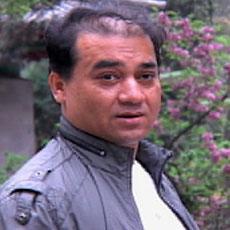
The CECC reports that a court in Urumqi sentenced Uyghur scholar Ilham Tohti to life in prison on 23 September 2014 on the charge of "separatism".
Congressional-Executive Commission on China (CECC)
2025 Annual Report, Chapter 15: Xinjiang Uyghur Autonomous Region
Open original source (opens in a new tab)"Strike Hard" campaign launched
OHCHR states that the Government began its "Strike Hard" campaign in Xinjiang in May 2014. In a 2019 White Paper, the Government stated that since 2014 Xinjiang has destroyed 1,588 "violent and terrorist gangs" and arrested 12,995 "terrorists".
Office of the United Nations High Commissioner for Human Rights (OHCHR)
OHCHR Assessment of human rights concerns in the Xinjiang Uyghur Autonomous Region, People's Republic of China
Open original source (opens in a new tab)Urumqi demonstrations and riots
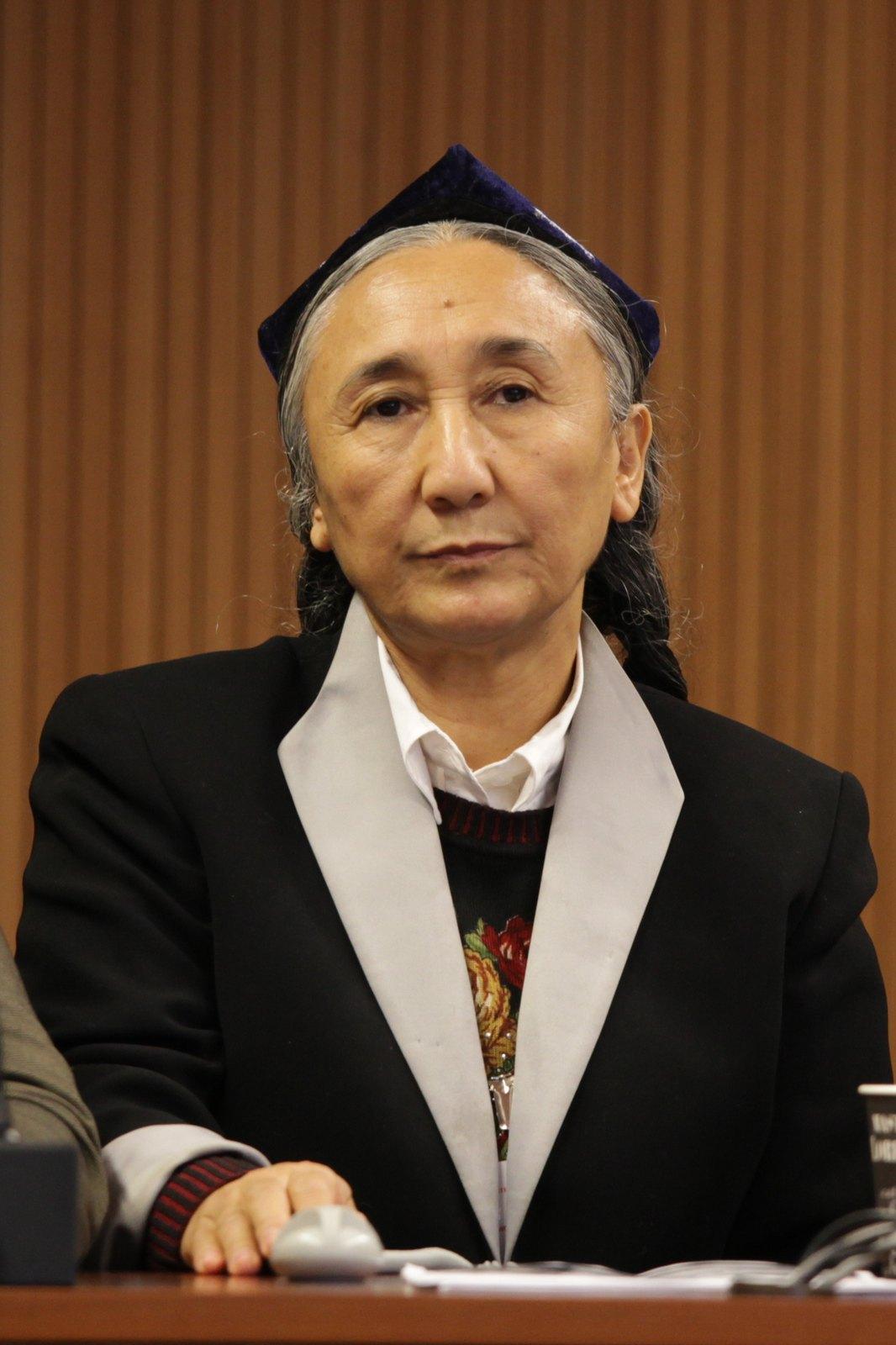
The CECC reports that demonstrations and riots began in Urumqi in July 2009; officials then shut down the Rebiya Kadeer Trade Center and said it would be demolished, and authorities demolished it in November 2024.
Congressional-Executive Commission on China (CECC)
2025 Annual Report, Chapter 15: Xinjiang Uyghur Autonomous Region
Open original source (opens in a new tab)
Sources
External source
Office of the United Nations High Commissioner for Human Rights (OHCHR)
OHCHR Assessment of human rights concerns in the Xinjiang Uyghur Autonomous Region, People's Republic of China
Open original source (opens in a new tab)External source
Congressional-Executive Commission on China (CECC)
2025 Annual Report, Chapter 15: Xinjiang Uyghur Autonomous Region
Open original source (opens in a new tab)External source
Congressional-Executive Commission on China (CECC)
Draft Ethnic Unity Law Intensifies Language and Cultural Repression of Uyghurs and other Ethnic Groups
Open original source (opens in a new tab)External source
U.S. Commission on International Religious Freedom (USCIRF)
USCIRF 2026 Annual Report - China
Open original source (opens in a new tab)